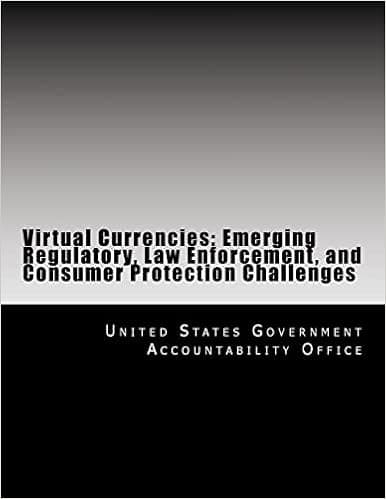
Virtual Currencies: Emerging Regulatory, Law Enforcement, and Consumer Protection Challenges
Virtual currencies—digital representations of value that are not government-issued—have grown in popularity in recent years. Some virtual currencies can be used to buy real goods and services and exchanged for dollars or other currencies. One example of these is bitcoin, which was developed in 2009. Bitcoin and similar virtual currency systems operate over the Internet and use computer protocols and encryption to conduct and verify transactions. While these virtual currency systems offer some benefits, they also pose risks. For example, they have been associated with illicit activity and security breaches, raising possible regulatory, law enforcement, and consumer protection issues. GAO was asked to examine federal policy and interagency collaboration issues concerning virtual currencies. This report discusses (1) federal financial regulatory and law enforcement agency responsibilities related to the use of virtual currencies and associated challenges and (2) actions and collaborative efforts the agencies have undertaken regarding virtual currencies. To address these objectives, GAO reviewed federal laws and regulations, academic and industry research, and agency documents; and interviewed federal agency officials, researchers, and industry groups.
- ASIN
- 1500700290
- Embedding
- CLIP ViT-L/14 · 768d
- Distance metric
- cosine
- Doc fetch
- 2mscache hitGET /v2/namespaces/amazon-products/documents/1500700290
- Similar query
- 33msnearest_to_id → /query
Doc fetch goes through Layer's Aerospike pull-through cache; cache hit served the row without touching turbopuffer. The similar query asks Layer for nearest neighbors of the stored product vector — queries don't go through the doc cache, so no cache header is set.
You might also like