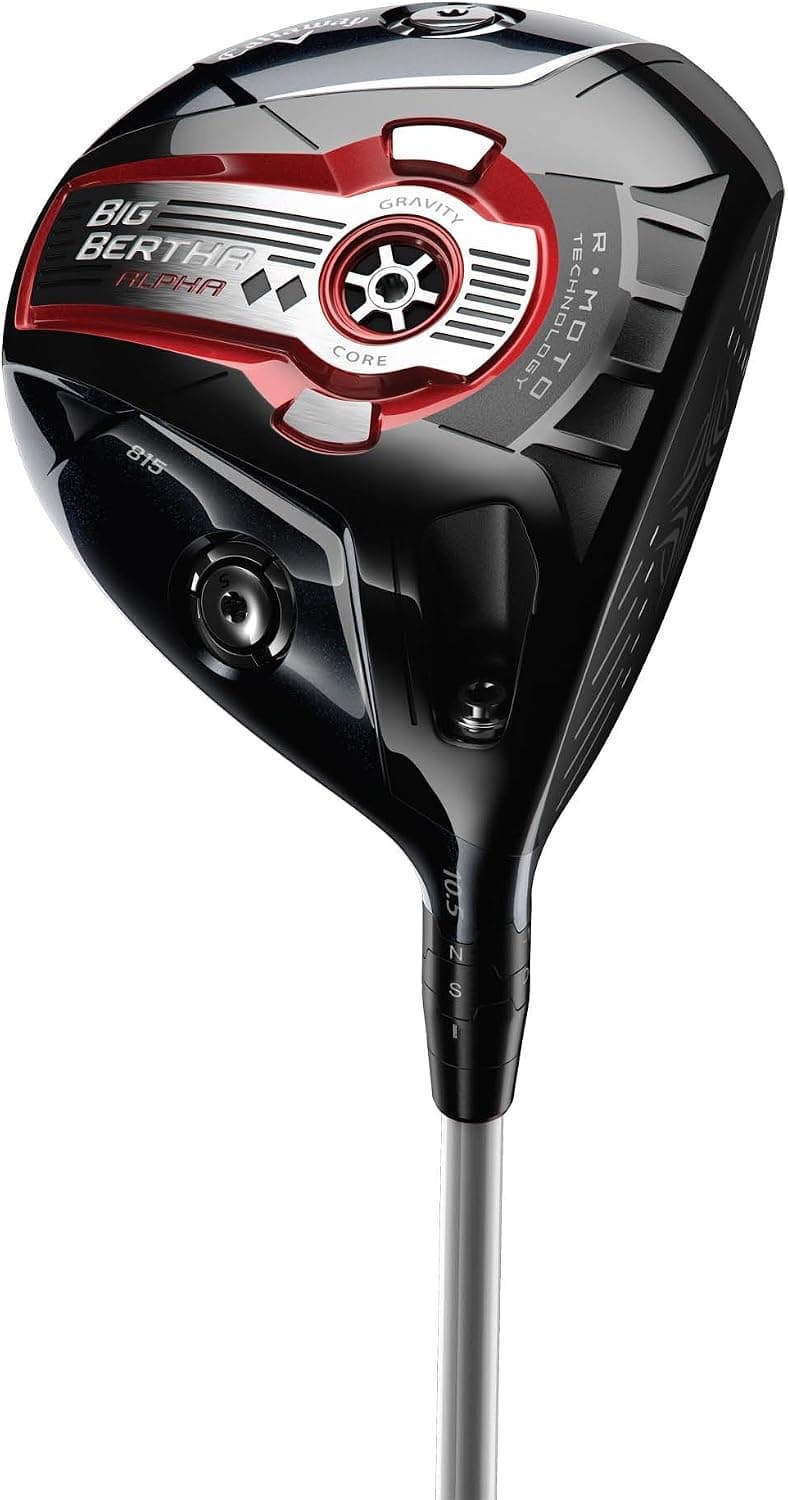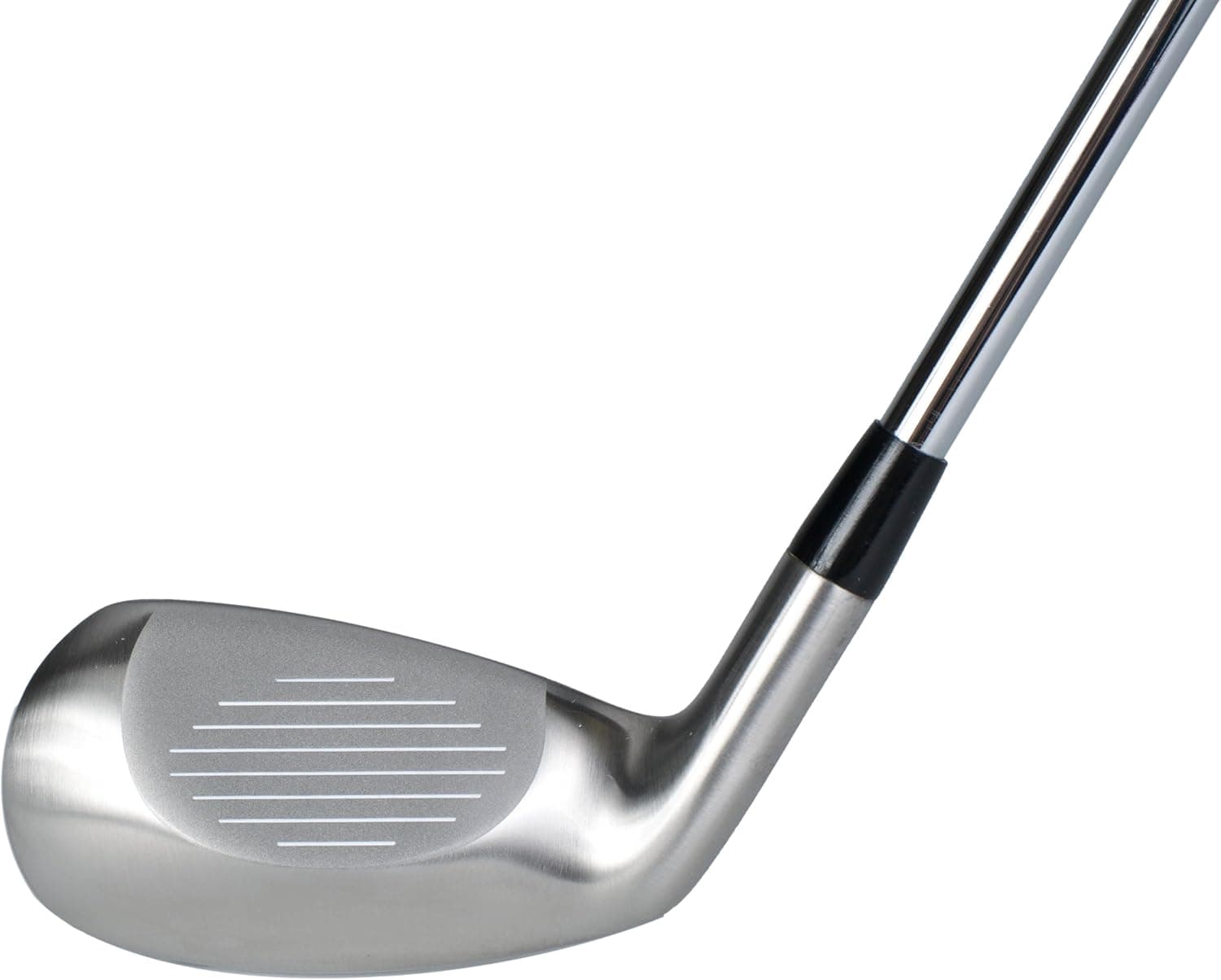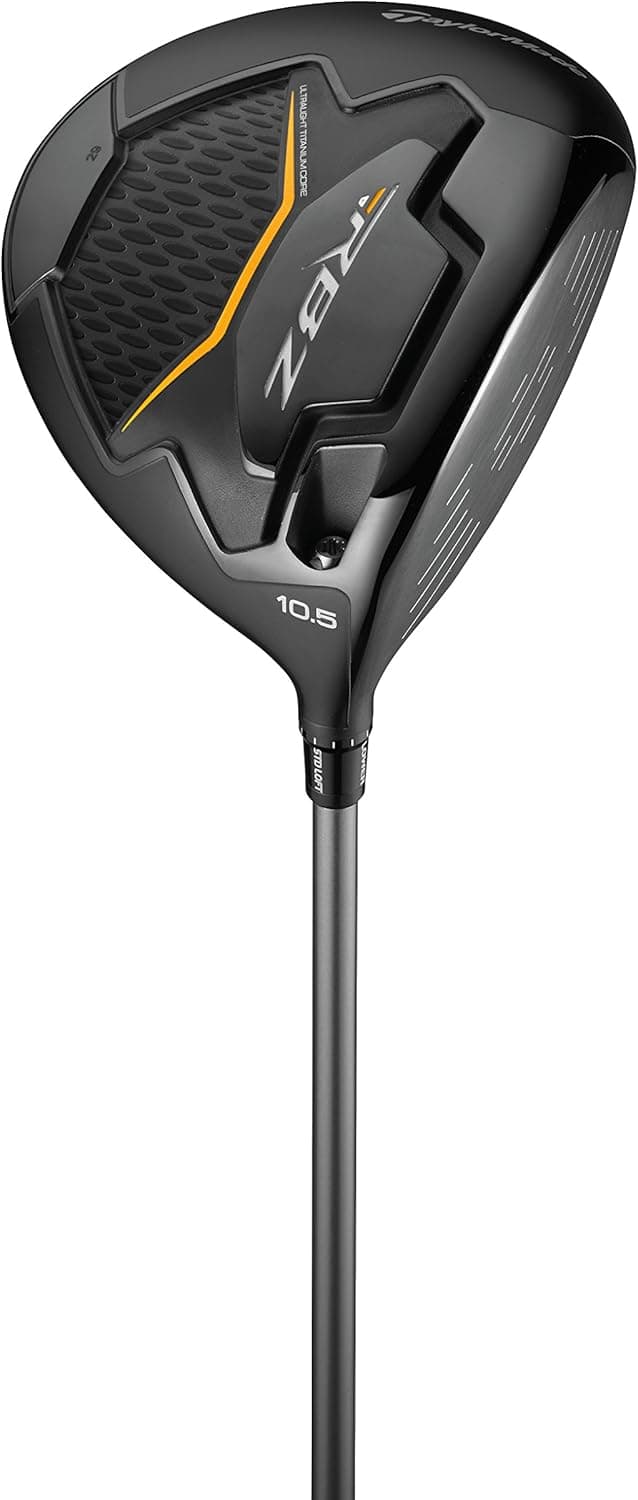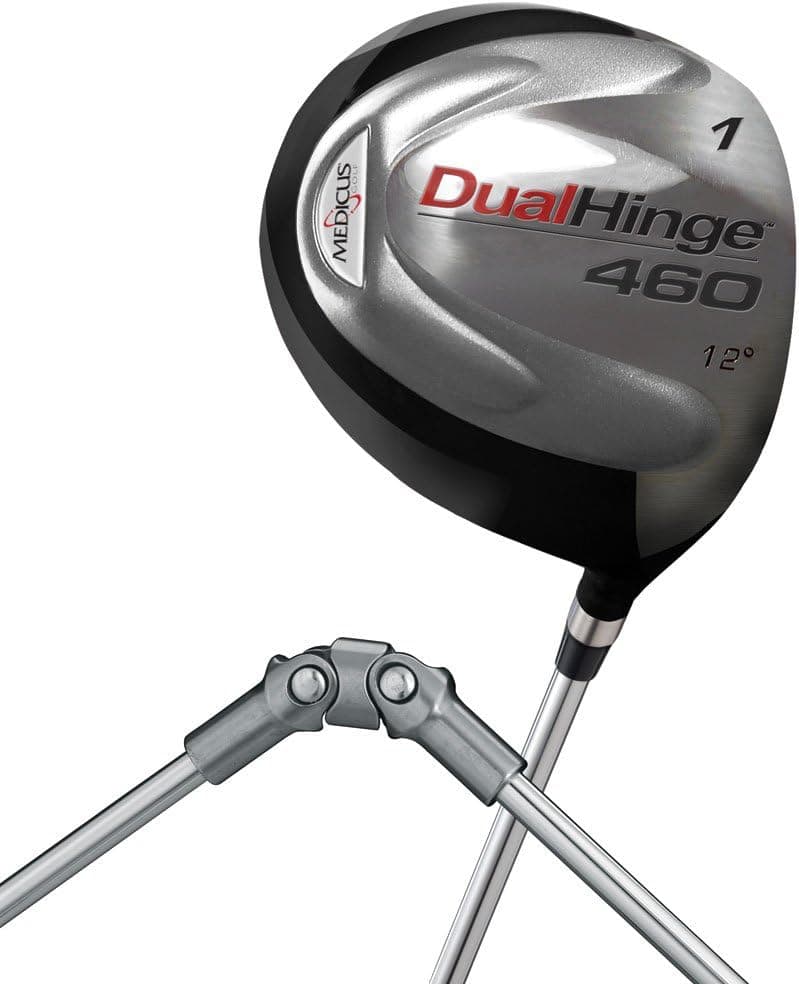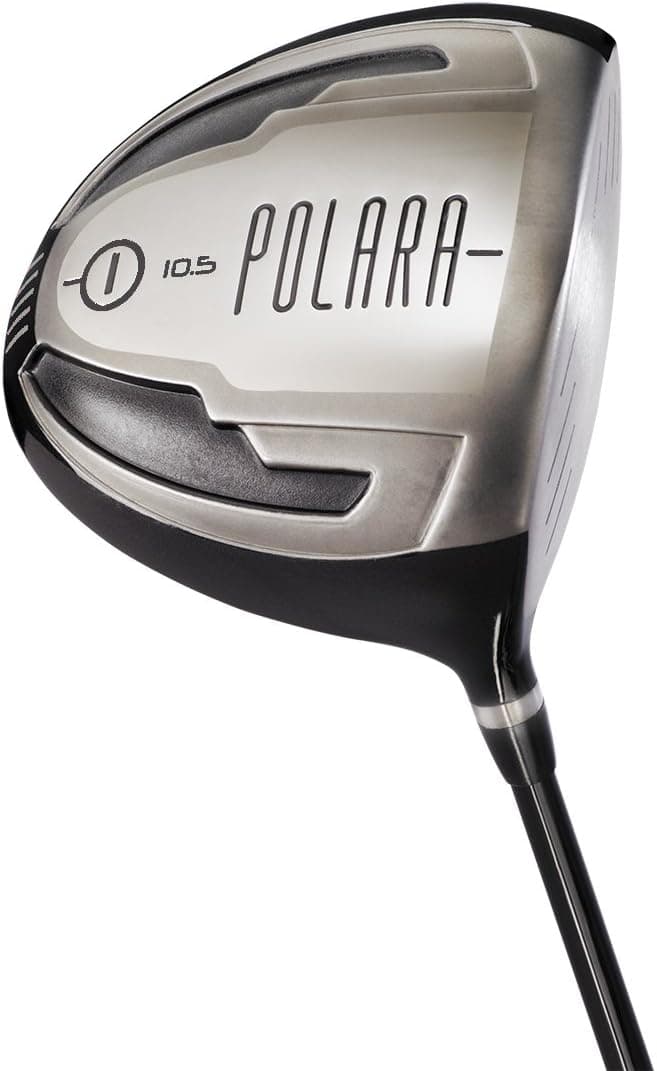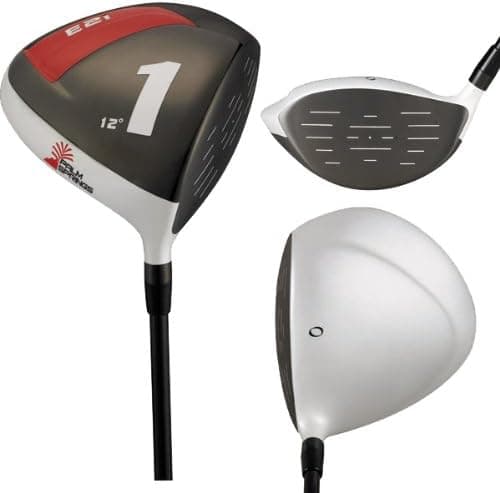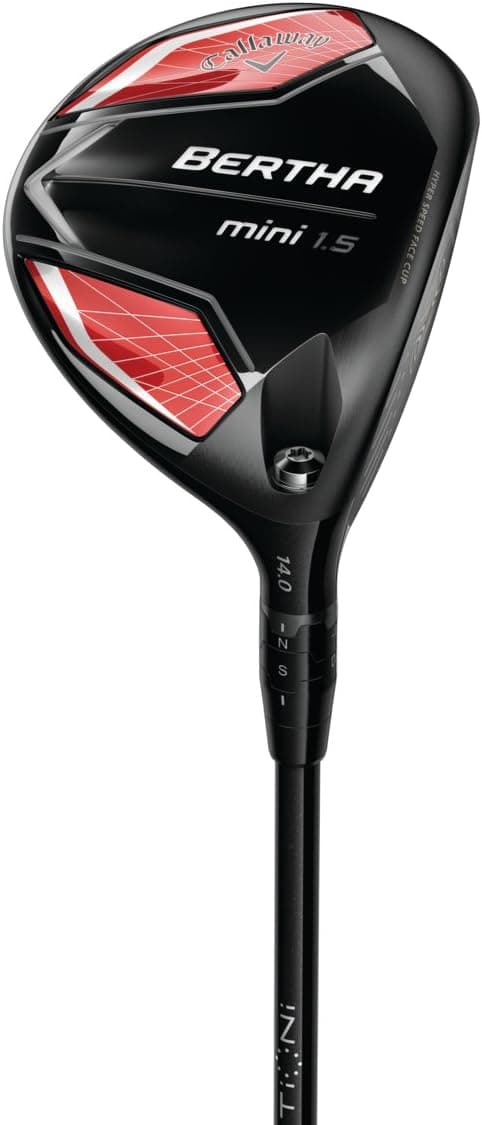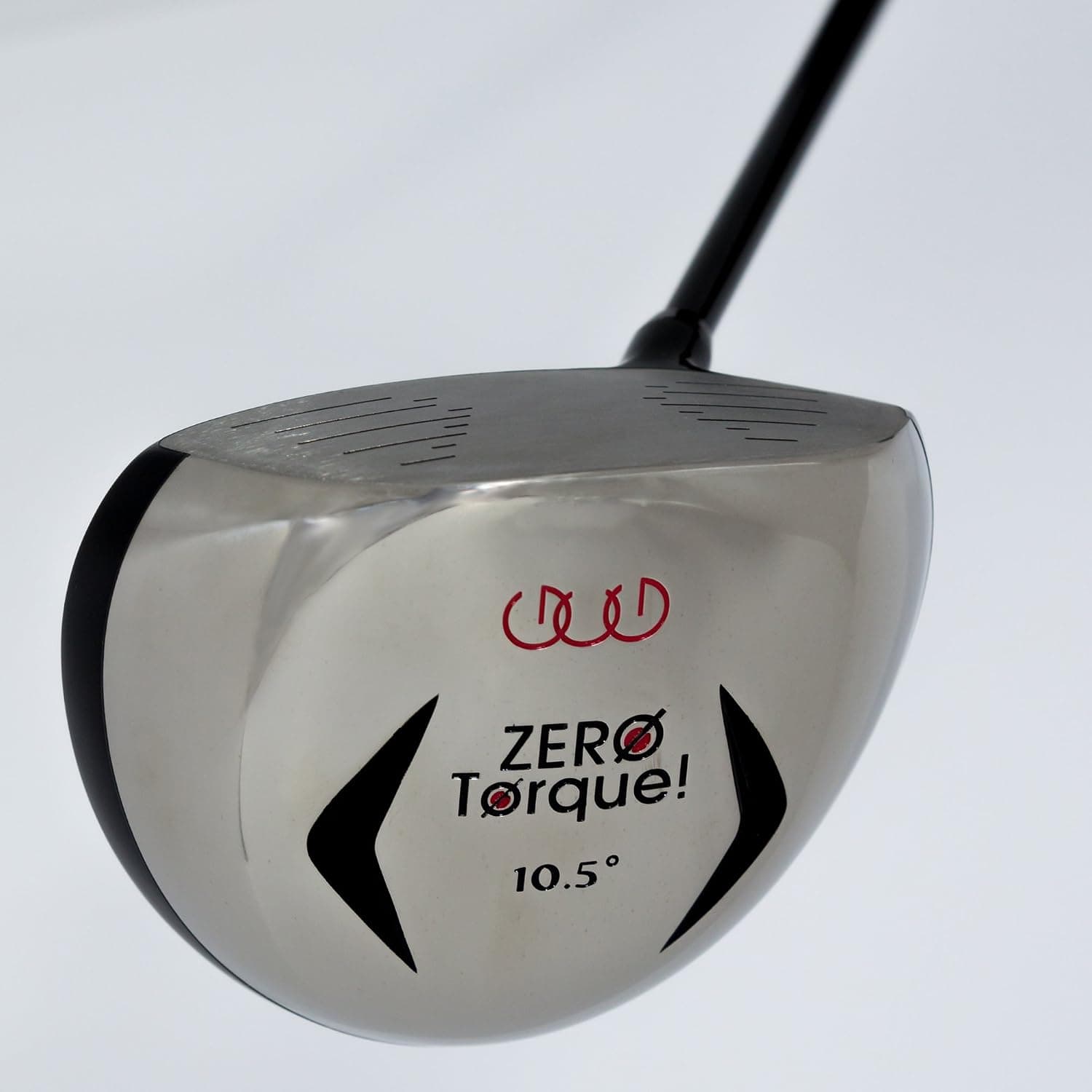
Zero Torque Driver
The physics of torque are not hard to understand. Push on a door and it swings around its hinges. The further away from the hinge the less push it takes to open the door. If we strike the golf ball some distance from where the club is attached, the club rotates around the point of attachment. When the shaft is attached so that the club contacts the ball right along the center-line of the shaft, the torque is eliminated. Straighter shots result. Part of the fascination of golf is that it is a nice balance of ”not too easy” and “not too hard”. The most interesting courses have the most interesting challenges. If the carry over the water was really short there would be no feeling of satisfaction getting over it safely, if it was too hard.. but you know what we mean. What is frustrating however is when some of the difficulty is built into the clubs. They are a big improvement over the ones used by Mary, Queen of Scots, and even the ones used by Bobby Jones. Jones and his contemporaries managed to play brilliant golf with equipment that had three major built in defects which made hitting the ball straight really difficult. 1. Wooden Shafts 2. Flawed Golf Balls 3. Off Center Attachment Points Jones and his contemporaries deserve a lot of credit for their magnificent golf played with the equipment of their time. The gradual change to steel and graphite shafts eliminated the shaft twist problems. The continuing improvement in golf ball aerodynamics has been a big factor in making 300 yard drives common. Club head rotational torque was the last of these built-in problems remaining. ZeroTorque clubs eliminates that. ZeroTorque clubs won’t do all the work. You still have to swing them. You might not even notice what they are doing for you. Driving the ball in the fairway can get boring. But look at your scorecard at the end of the round. That never gets boring.
- ASIN
- B00NP9H3CQ
- Embedding
- CLIP ViT-L/14 · 768d
- Distance metric
- cosine
- Doc fetch
- 2mscache hitGET /v2/namespaces/amazon-products/documents/B00NP9H3CQ
- Similar query
- 30msnearest_to_id → /query
Doc fetch goes through Layer's Aerospike pull-through cache; cache hit served the row without touching turbopuffer. The similar query asks Layer for nearest neighbors of the stored product vector — queries don't go through the doc cache, so no cache header is set.
You might also like